A reinforced concrete (RC) frame structure when applied with gradually increasing lateral loads, undergoes several stages from first cracking until collapse. These stages (or limit states) are referred to as “performance levels”, which play a key role in the modern seismic design philosophy. In the linear analysis procedures, the response reduction factors and the importance factors are indirectly related to these performance levels. However, a non-linear analysis procedure such as “pushover analysis”, which provides the base-shear vs. monitored displacement curve (known as capacity curve), can provide a direct estimate of the performance level expected for a structure in the event of an earthquake. The reliability of the performance estimate is strongly dependent on the accuracy of the capacity curve obtained.
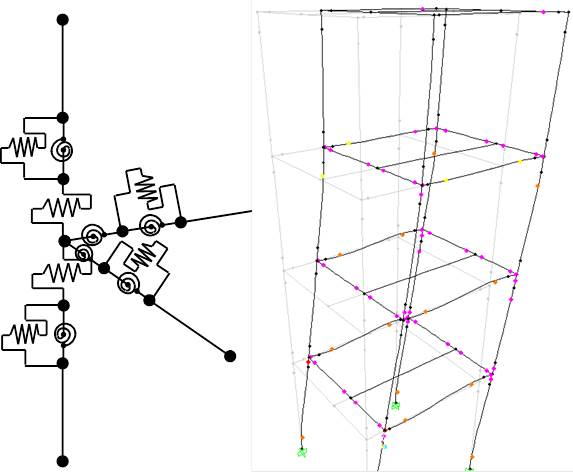
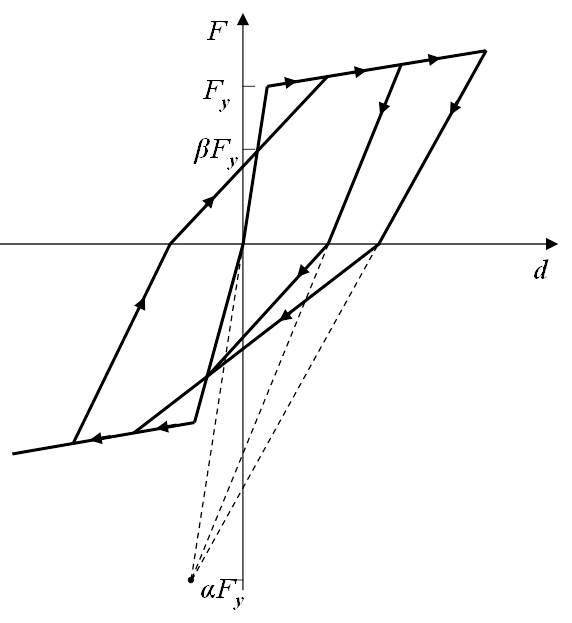
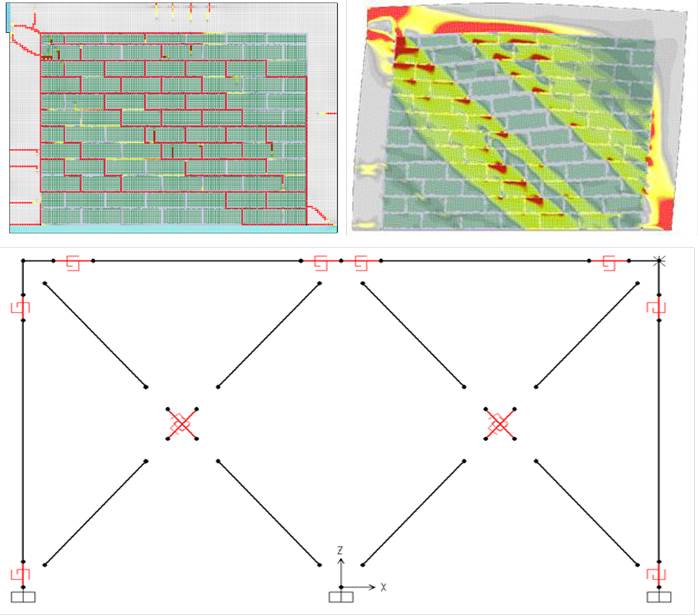
As a non-seismically designed RC frame structure can display various failure mechanisms, in order to generate a reliable capacity curve, good analytical models that can consider all the possible failure modes as well as their interactions are necessary. Currently, there are very few tests available that provide information on the non-linear behavior of non-seismically designed RC frame structures under gradually increasing lateral loads. In order to fill this gap of information, pushover tests on non-seismically designed RC frame structures were conducted.
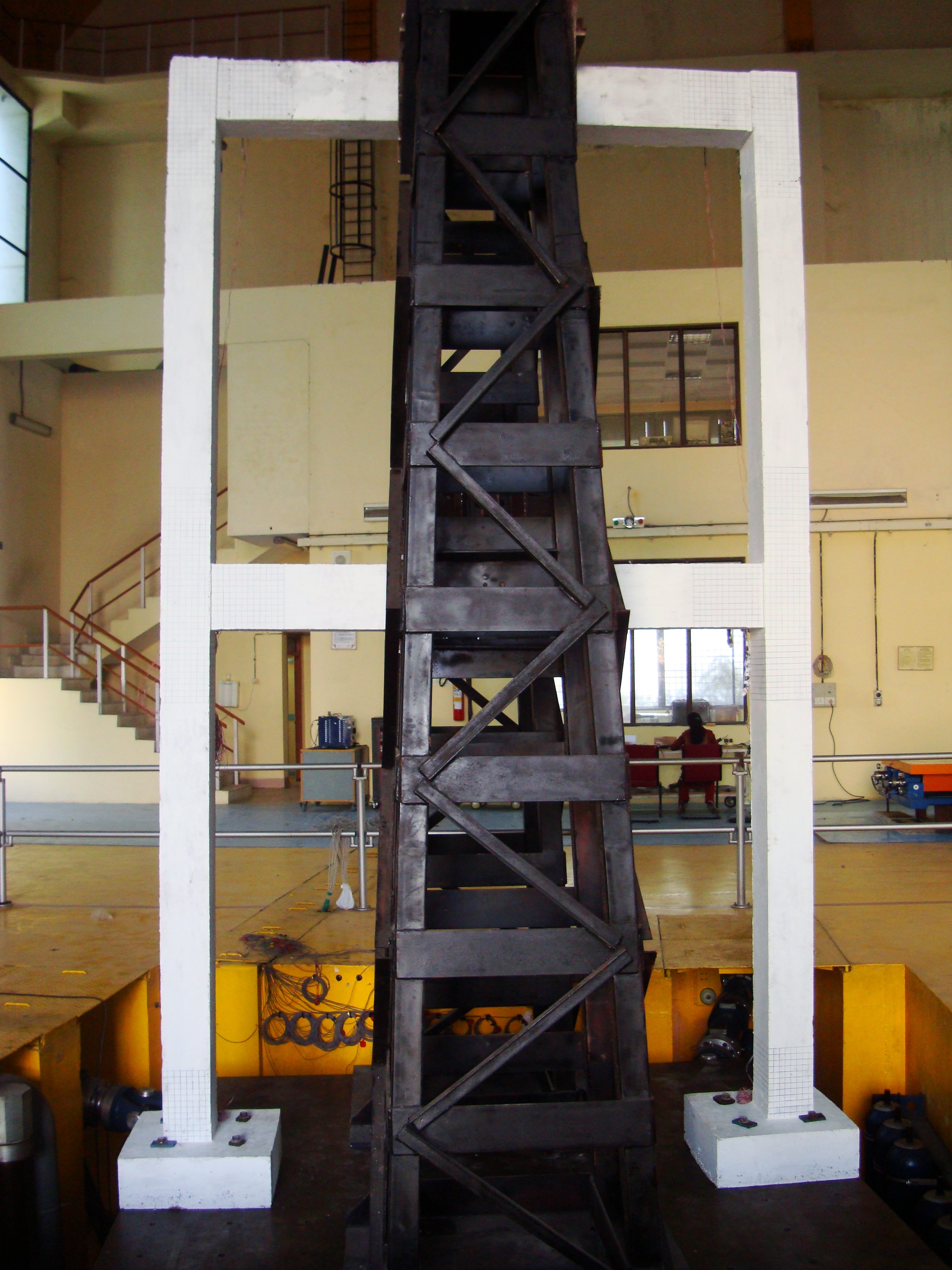
A pushover test was conducted on a full-scale 4-storey structure (Total height 17m, bay width 5m), which was the first of its kind test to be conducted in India. The experiment was carried out as a round robin exercise in which several scientists, academicians and researchers participated from various institutes across India. The experiment was carried out at the tower testing facility of Central Power Research Institute, Bangalore in collaboration with Dr. Ramesh Babu and Mr. D. Revanna. The load applied on the structure was maintained at a ratio of P: 2P: 3P: 4P corresponding to 1st floor: 2nd floor: 3rd floor: 4th floor, respectively, resulting in an inverted triangular load pattern. A special loading arrangement was designed to apply the loads. Rock anchors were used in the foundation to prevent the uplift/rotation of the foundation. The structure was well-instrumented using strain gauges, LVDTs, load cells, dial gauges etc.
The initial cracks were observed on the tension face at the base of the columns and at the tension face on beam ends at first floor level (base shear = 300 kN). At a base shear equal to 500 kN, the first shear cracks started to appear at the beam-column joints at 1st floor level. These cracks opened with the further increase in the load and more cracks at higher elevation (2nd and 3rd level) were also observed in the beams and beam-column joints. The beams transverse to the direction of loading underwent torsion failure.
The complete details about the experiment can be obtained from the following publications:
Paper 1
Paper 2
A similar test on a small scale structure was conbducted at Structural Engineering Research Centre, Chennai. The details of this test can be found in the following publication:
Paper 3
The tests provided valuable insight into the structural behavior under lateral loads and the interactions of different failure modes. The tests serve as the benchmark problems to validate the modeling procedures for RC frame structures under seismic loads